Conference and policy dialogue
A forum for industry leaders, policymakers and experts to examine critical issues affecting broadcasting, media development and regulation.
The NBC’s flagship conference and exhibition
Shaping the future of African broadcasting
A continental platform for dialogue, innovation, knowledge exchange and business development, bringing together broadcasters, regulators, policymakers, content creators, technology providers and investors from across Africa and beyond.
About AFRICAST
AFRICAST is an international broadcasting and media technology conference and exhibition initiated by the National Broadcasting Commission in 1996.
It brings together professionals, academics, policymakers, regulators and commercial stakeholders to exchange ideas, share industry knowledge and explore opportunities for growth. Over the years its scope has grown beyond conventional broadcasting to the wider media and creative industries, reflecting how content is now produced, distributed, consumed and monetised.
AFRICAST combines high-level conference sessions with exhibitions, technical demonstrations, workshops, masterclasses and networking, so participants can engage with policy, discover new technology, build professional capacity and form partnerships.
A forum for industry leaders, policymakers and experts to examine critical issues affecting broadcasting, media development and regulation.
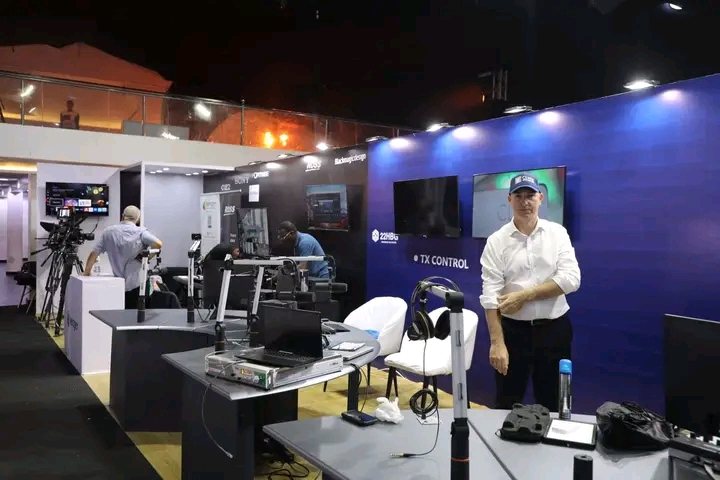
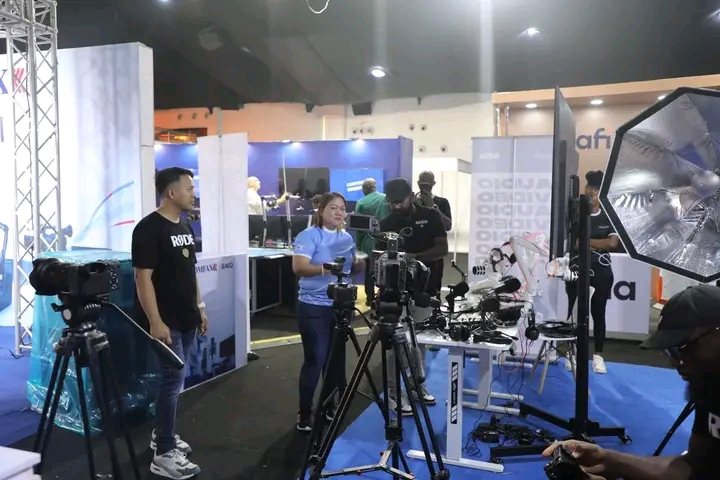
Manufacturers, technology providers and service companies showcase innovations, products and solutions for broadcasting and media.
Producers, broadcasters, distributors and investors explore content acquisition, licensing, distribution and monetisation.
Professional learning that strengthens technical, creative and managerial capacity across the industry.
Business relationships, strategic alliances and cross-border collaborations across the media value chain.
Vision
To be a leading continental platform for advancing broadcasting, media innovation, collaboration and the development of a sustainable and globally competitive African media ecosystem.
Objectives
History and evolution
AFRICAST was established by the National Broadcasting Commission in 1996, at a significant point in the development of Nigeria’s broadcasting industry.
Its introduction coincided with the deregulation of the Nigerian broadcasting sector, which opened the industry to greater private participation and created new opportunities for independent broadcasters, content producers, equipment manufacturers and other commercial operators.
Against this backdrop, the NBC saw the need for a platform where professionals and stakeholders could examine the direction of broadcasting in Africa together, and assess developments in technology, regulation, content and industry practice. AFRICAST was conceived as a biennial gathering of African broadcasters and media professionals: a meeting point for industry dialogue, technical innovation and commercial opportunity.
Early editions focused on broadcasting standards, professional capacity, responsible industry development and the implications of new technology. As the industry moved towards digital broadcasting, AFRICAST increasingly addressed digital terrestrial television and the financing, production, sourcing and distribution of content.
The rise of internet broadcasting, streaming, social media and mobile technology then broadened its focus to digital media convergence, content monetisation, intellectual property, media regulation and the future of African storytelling.
Today AFRICAST represents an expanded vision of broadcasting, one that recognises the relationship between technology, creativity, regulation, investment and a sustainable media industry, and the NBC’s continuing commitment to a platform where the industry can address its challenges together.
Past editions
Each edition has reflected the technological, commercial and policy priorities of its time, from the liberalisation of broadcasting and the move to digital terrestrial television to digital media platforms and African content in the global creative economy.
The inaugural AFRICAST established a platform for African broadcasting professionals, academics, policymakers and industry stakeholders, as the Nigerian broadcasting sector was deregulated.
Examined Africa’s place in the changing global broadcasting environment, and the challenges and opportunities of the new millennium.
Focused on what digital transformation meant for African broadcasting, and introduced masterclasses to strengthen the technical capacity of broadcasting professionals.
Placed content at the centre of the discussion, as what determines the relevance, competitiveness and sustainability of broadcasting.
Examined content development, sourcing and distribution, and the continent’s transition from analogue to digital broadcasting.
Explored the link between digital terrestrial broadcasting and the financing of quality content, and the need for sustainable investment.
Expanded the conversation to the business and creative sides of broadcasting, with the AFRICAST Content Hub, developed with the Nigerian International Film and TV Summit, for content acquisition, aggregation, licensing and distribution.
Examined rapid digital transformation: artificial intelligence, media regulation, digital infrastructure, content monetisation, media ethics and cultural preservation.
See AFRICAST 2025Relevance and industry impact
Financing local content, digital infrastructure gaps, changing audiences, regulatory convergence, intellectual property, misinformation and the influence of global platforms: AFRICAST gives stakeholders a place to address these together.
Engagement with digital terrestrial broadcasting, satellite, broadband, artificial intelligence and other technologies transforming production and distribution.
Connecting creators, producers, broadcasters, distributors and investors around the financing, licensing and distribution of quality African content.
Bringing regulators, policymakers, practitioners and academics together on frameworks that encourage innovation while protecting the public interest.
Exhibitions and networking that create partnerships, technology transfer and business opportunities across the value chain.
Workshops, technical sessions and masterclasses in broadcasting, production, engineering and emerging media technology.
How Africa’s languages, traditions, history and cultural expression can be documented, protected and shared through broadcasting.
Cross-border cooperation, shared expertise and common approaches to the challenges the industry faces.
Media access, digital inclusion and responsible broadcasting, so established organisations and independent creators can all thrive.
AFRICAST is more than a conference and exhibition. It connects ideas with opportunities, and helps build an innovative, inclusive and sustainable African media ecosystem.
AFRICAST 2025 · The 14th edition
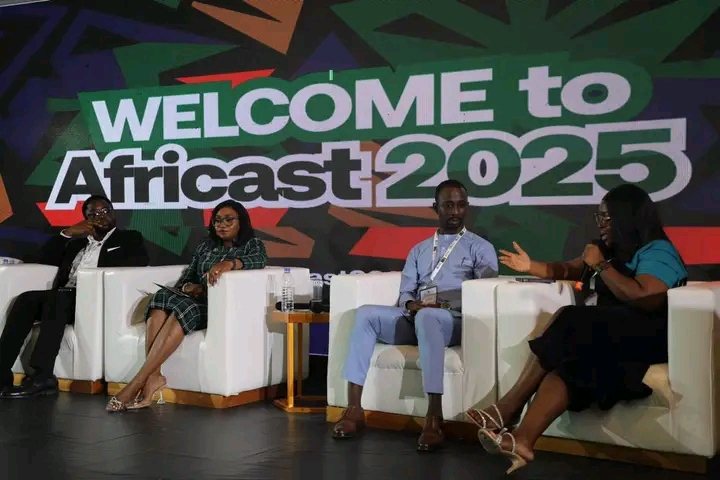
AFRICAST 2025 was convened against a backdrop of major change in the global media environment, driven by digital technology, evolving audience behaviour, artificial intelligence and the convergence of broadcasting and internet media.
The edition explored how Africa can harness technological advancement while addressing the regulatory, economic, cultural and institutional challenges that come with it. It marked a strategic expansion of AFRICAST’s traditional focus, placing more emphasis on how media technology, content development, regulation, investment and the creative economy depend on each other.
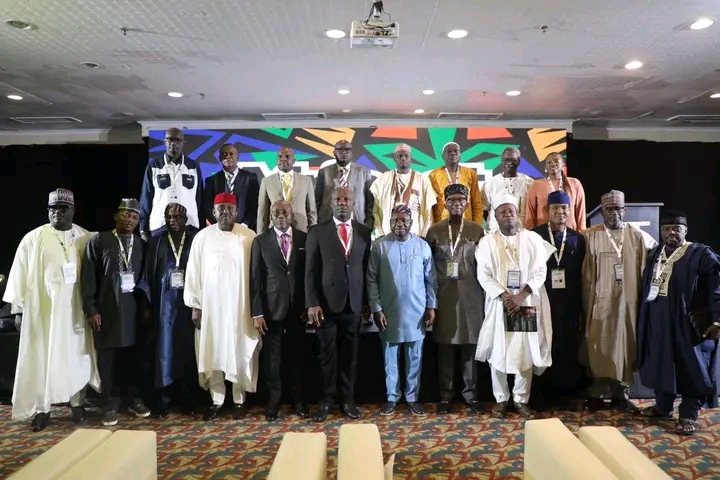
Government, regulators, broadcasters, telecommunications companies, production houses, technology firms, academia and the wider creative industry came together to examine emerging developments, share knowledge, showcase solutions and explore partnerships for the next phase of African media development.
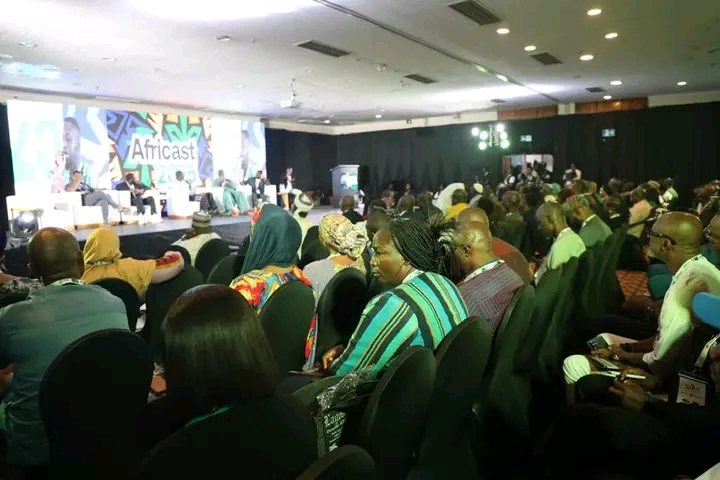
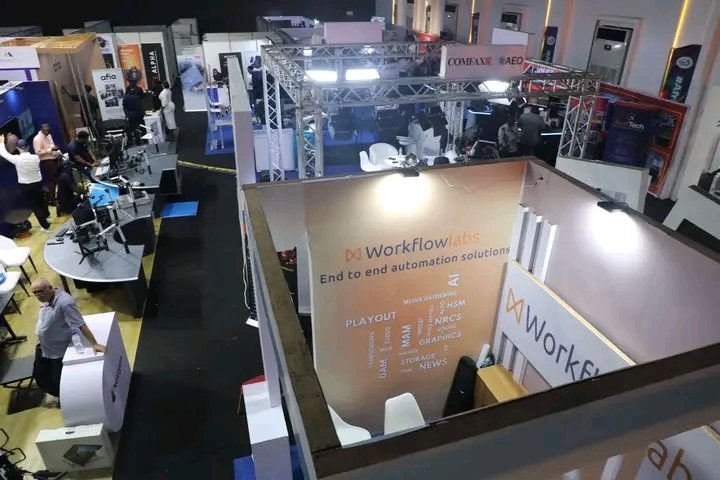
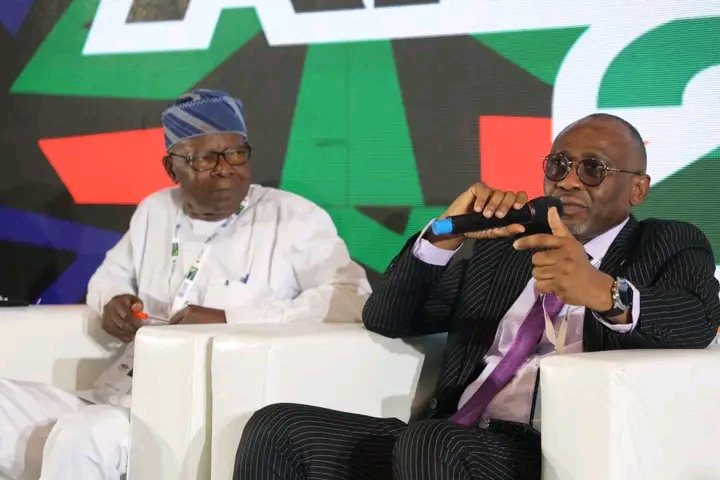
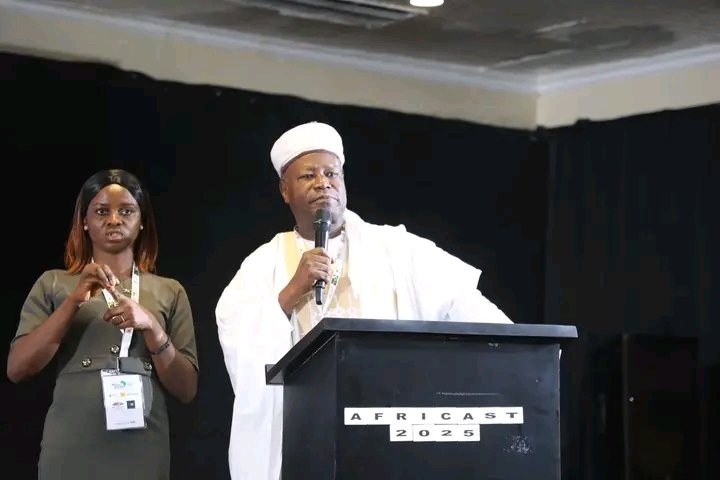
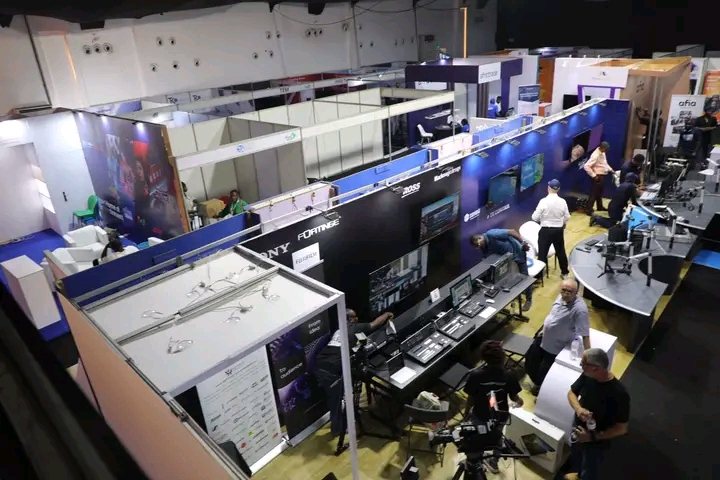
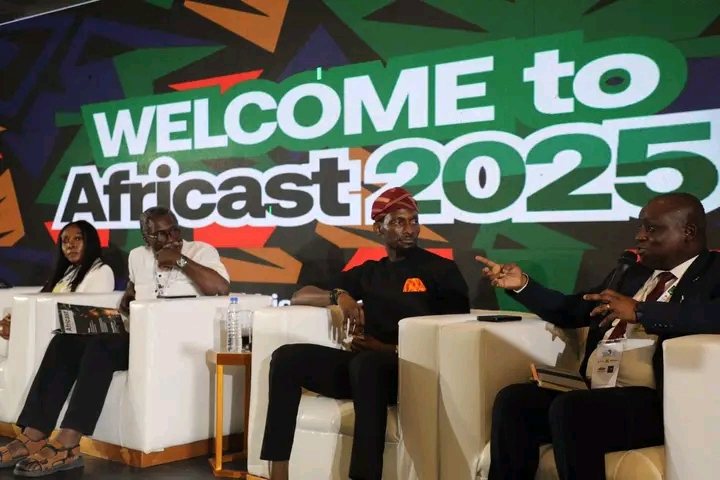
The programme included keynote addresses and panel sessions with local and international speakers, an exhibition of media, digital and broadcast technologies, workshops and masterclasses, a tour of Lagos on the Lagos Blue Line, and gala nights celebrating industry achievement.
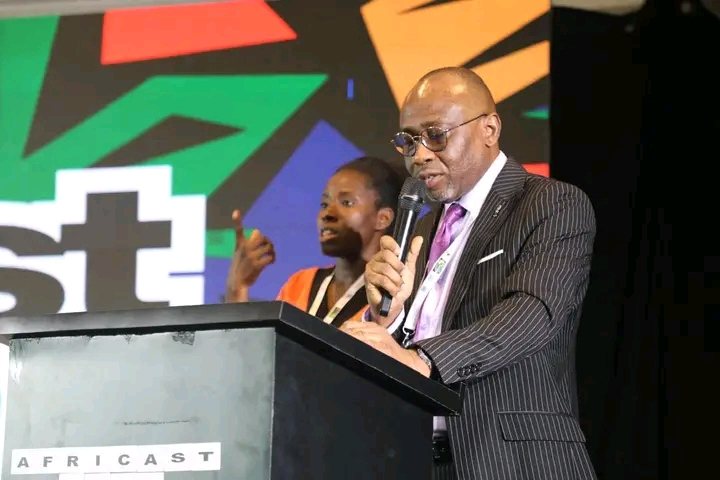
AFRICAST 2025 is more than a conference; it is a strategic response to the rapid digital transformation reshaping our media landscape. As we navigate this digital surge, our focus is on building a resilient African media ecosystem that leverages technology to enhance storytelling, content creation, and distribution.
AI in production, content development and distribution, and its ethical, regulatory and intellectual property questions.
Broadcasting beyond radio and television to streaming, social media and apps, and the infrastructure, inclusion and business models this needs.
The changing role of regulators: frameworks for digital platforms that promote fair competition and protect the public interest.
Commercially sustainable African content, stronger local production, and effective financing, distribution and monetisation.
Misinformation, disinformation and deepfakes, alongside professional standards, responsible journalism and media literacy.
Broadband, satellite and other investment to extend broadcasting and digital media to underserved communities.
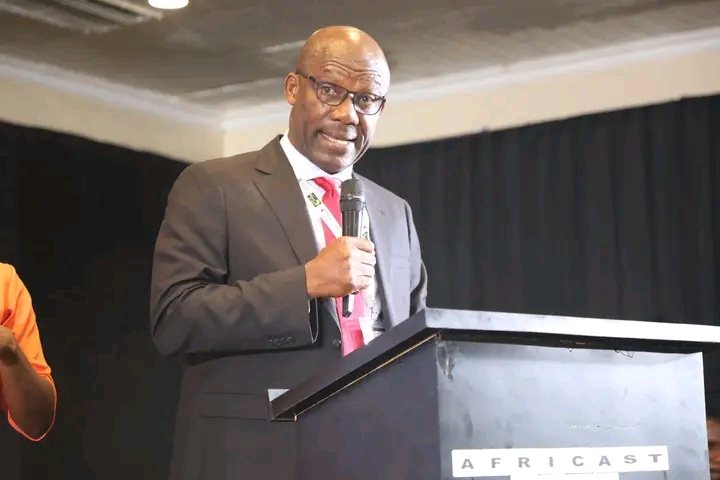
Keynote
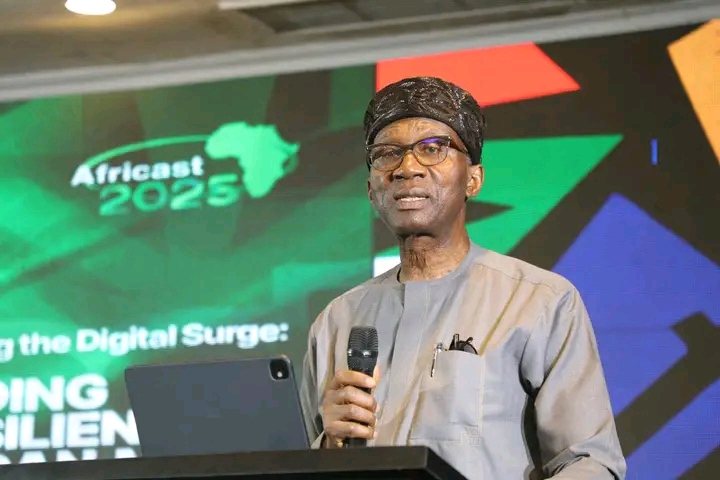
A major highlight was the keynote by Dr. Ernest Ndukwe, former Executive Vice-Chairman of the Nigerian Communications Commission, on how liberalisation and digital advancement have transformed Africa’s media and communications landscape. He identified four pillars for a competitive media ecosystem:
Technological investment must go hand in hand with effective policy, indigenous content and the skills to sustain the industry.
The Commission used AFRICAST 2025 to set out how it is responding to digital broadcasting and media convergence. Initiatives discussed included:
Outcomes
The final communiqué set out eight priorities for strengthening Africa’s media ecosystem, and stressed modernising legal and institutional frameworks so that development is guided by inclusion, innovation, accountability and sustainable growth.
African countries must play an active role in shaping their digital future, rather than simply adapting to technologies and platforms developed elsewhere.
Stronger safeguards are needed to protect media freedom, personal data, intellectual property and the digital rights of citizens.
Governments and the private sector should prioritise broadband, satellite, cloud and other infrastructure that expands media access and connectivity.
Greater support for African producers, creators and distributors, including better financing, intellectual property protection and fair compensation.
Regulators must cooperate more closely and develop forward-looking frameworks for the convergence of broadcasting, telecommunications and digital platforms.
Policies and sustainable business models should extend digital broadcasting and media services to underserved and rural communities.
African cultural values, indigenous languages and heritage should be reflected in content, with safeguards for children and young people.
Investment in skills, professional standards and public awareness is essential for a credible and resilient media ecosystem.
The future of African broadcasting is not simply something to anticipate; it is something to build collectively.
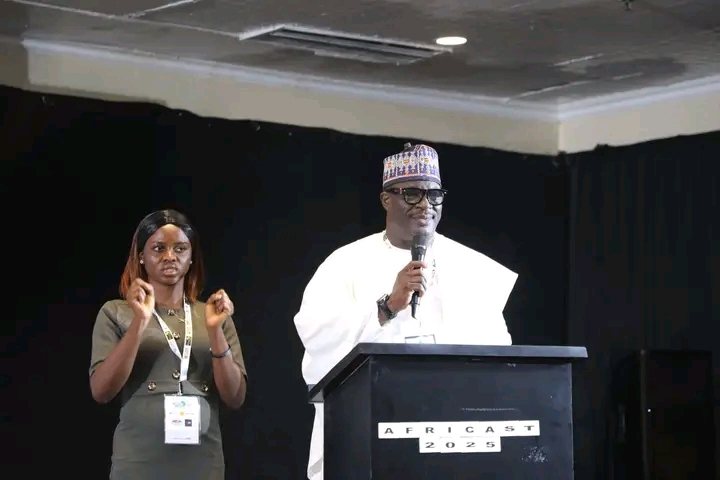
Photo gallery
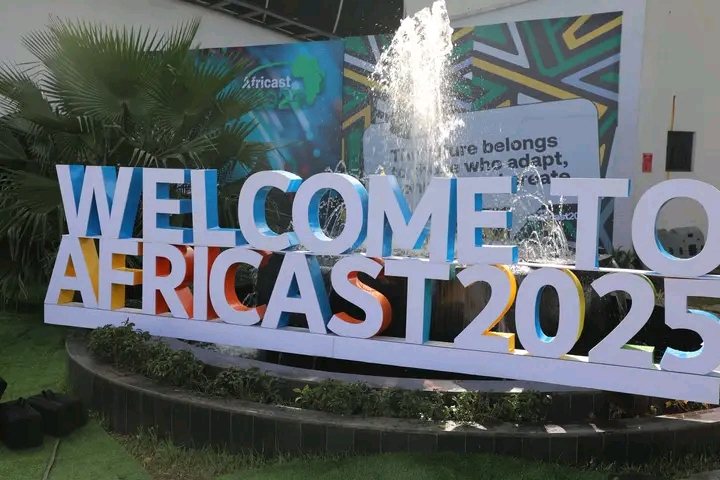
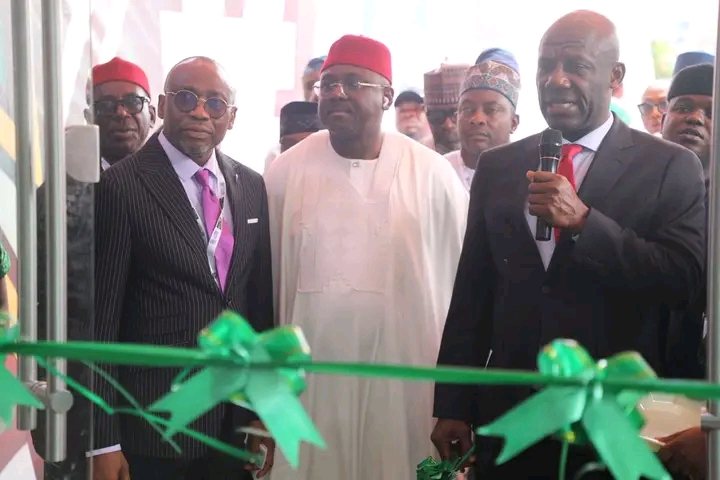
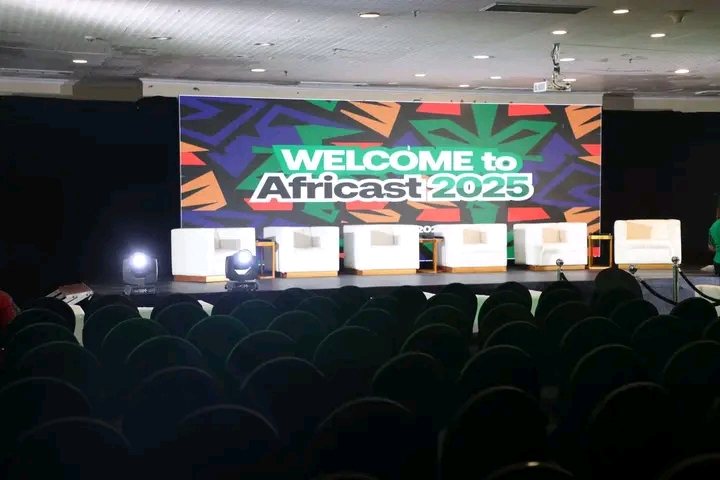
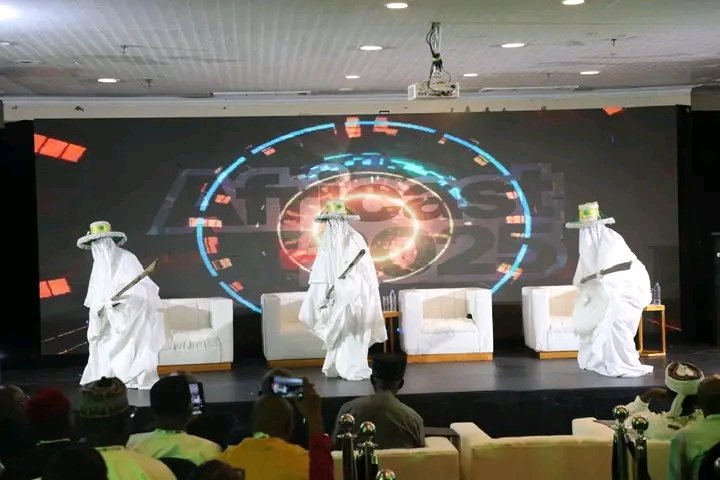
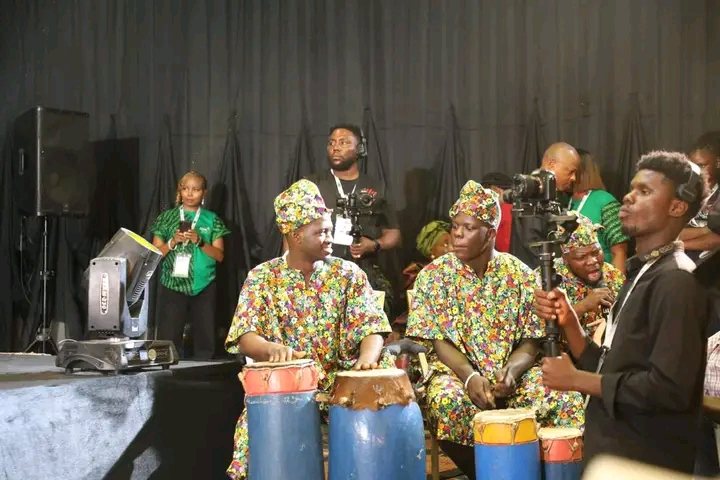
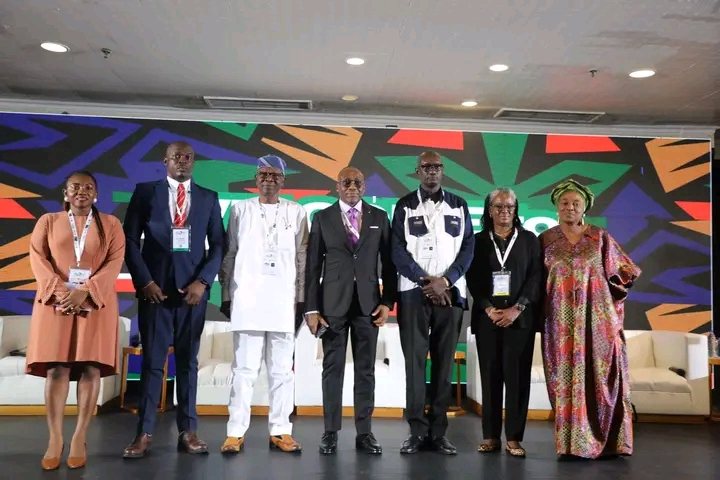
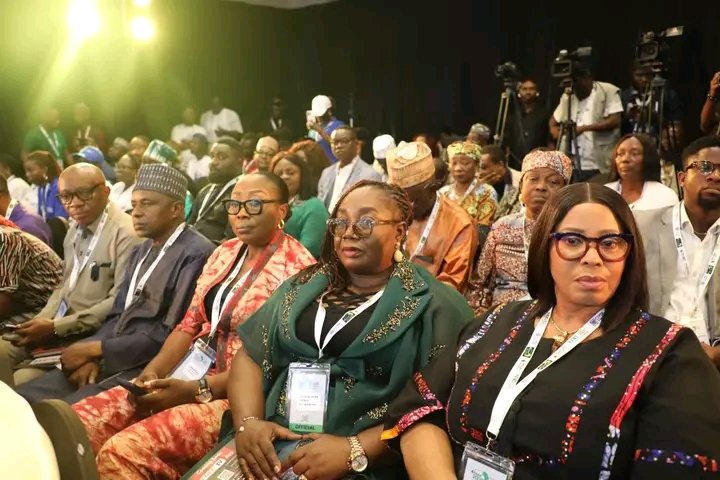
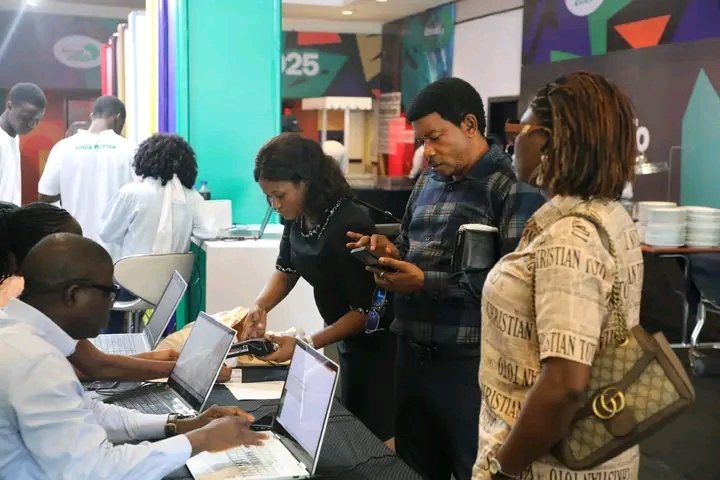
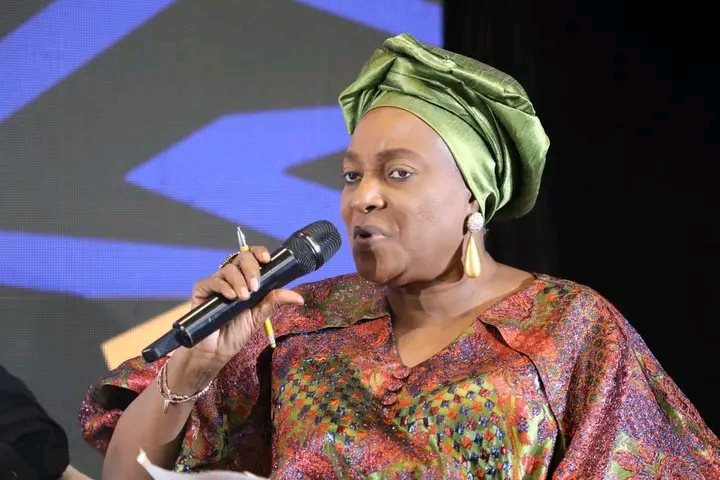
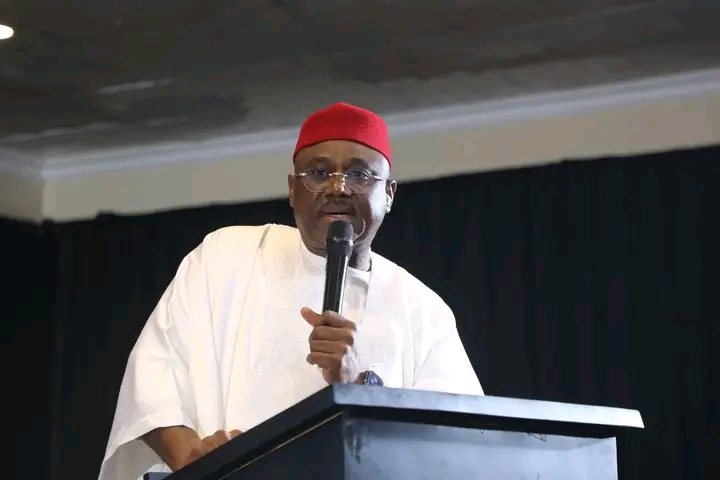
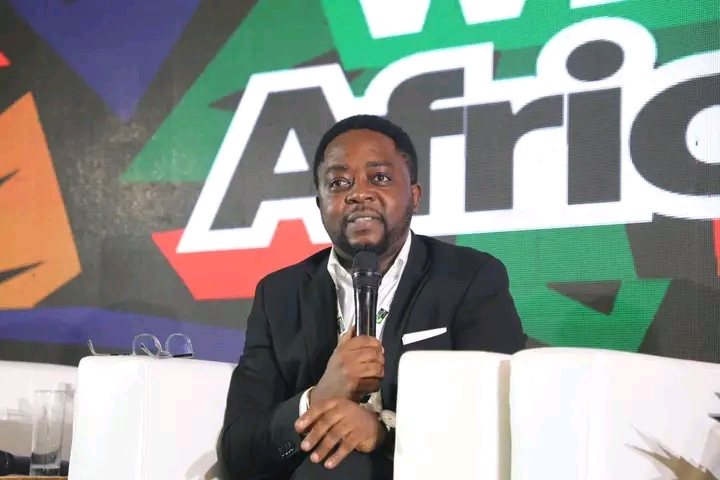
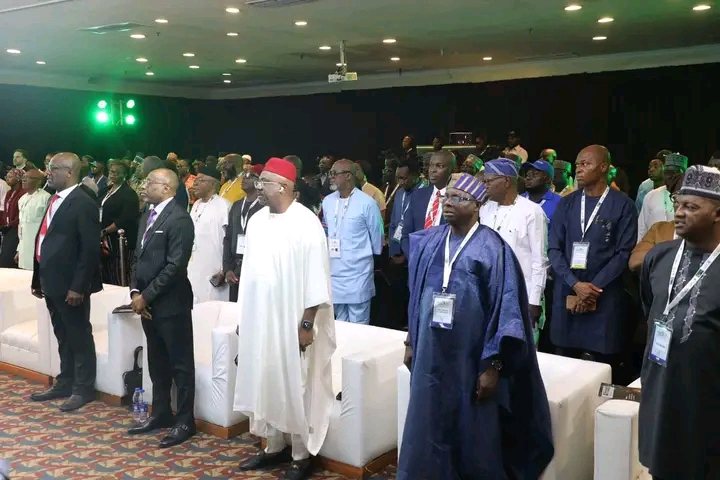
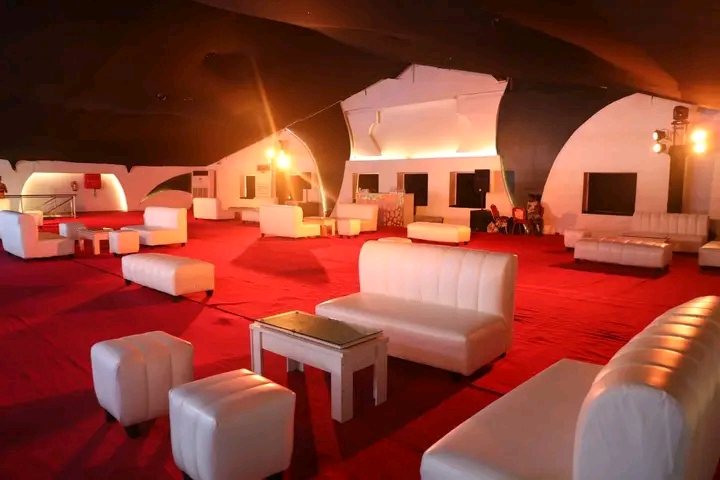
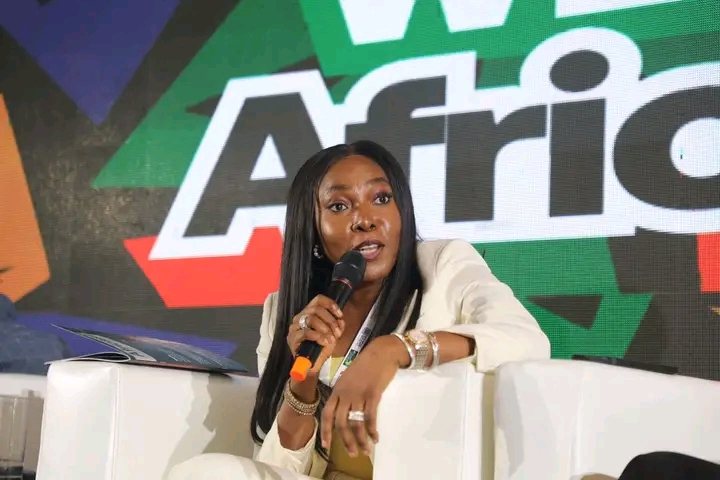
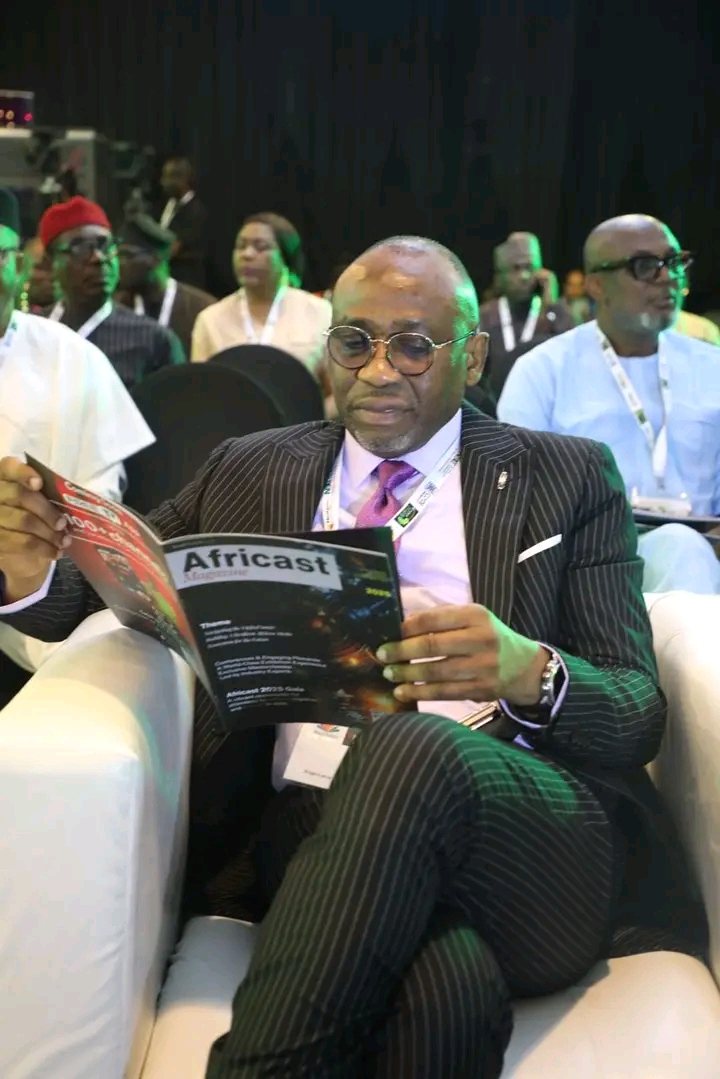
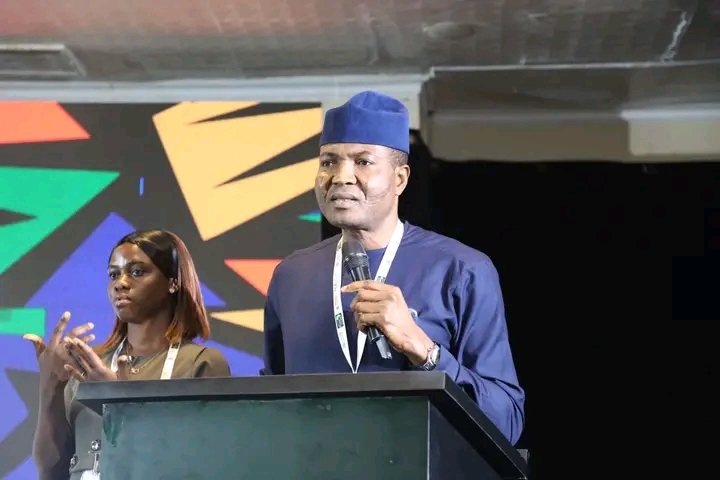
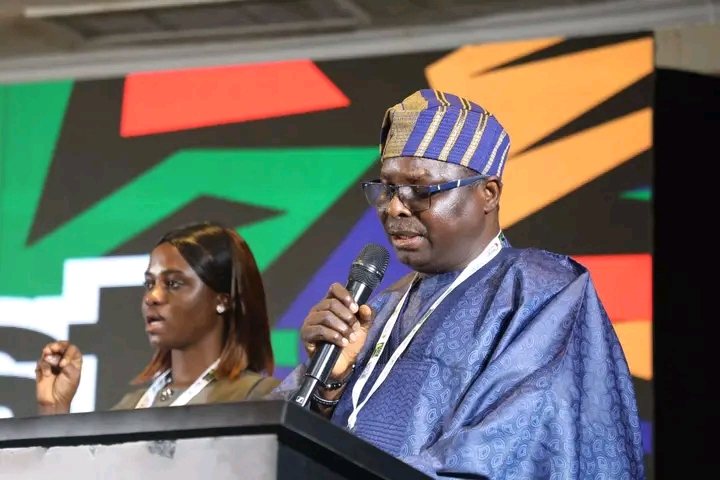
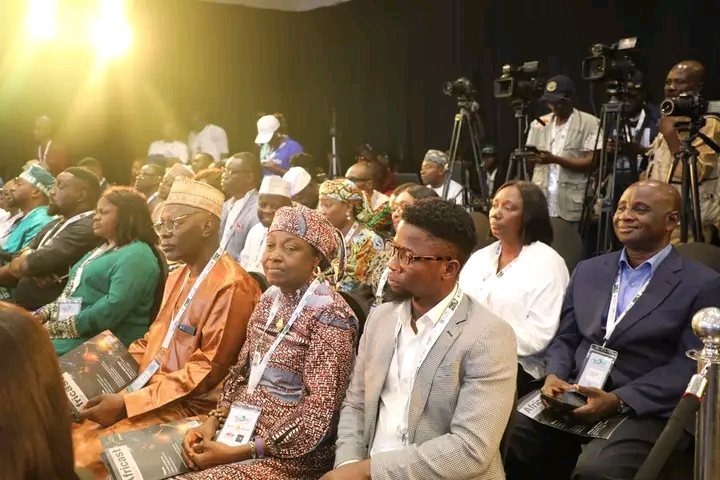
The opening ceremony, plenary sessions, panels, the exhibition floor and cultural performances in Lagos. Select a photo to enlarge it.

Media and resources
Speeches, presentations, communiqués, brochures and photographs from each edition will be collected here.
For exhibition, sponsorship, partnership and media enquiries about future editions, contact the Directorate of Public Affairs.
AFRICAST 2025: Threesixty Africa Media was the official project coordinator and marketing and sponsorship agency, and Cerebre Media Africa the official creative consultant.

Public notices, consultations and updates to the Nigeria Broadcasting Code, sent when they are published.
You can unsubscribe at any time. See our privacy notice.